
If marketing were a party, your target audience would be the people who actually want to be there. Everyone else? They’re just politely sipping water and waiting to leave.
Defining your target audience isn’t just a “nice-to-have” marketing task—it’s the foundation of everything from ads and content to sales and long-term growth. If you don’t know who you’re talking to, your marketing ends up talking to… well, no one in particular.
Let’s break it down the smart (and slightly entertaining) way.
What Is a Target Audience?
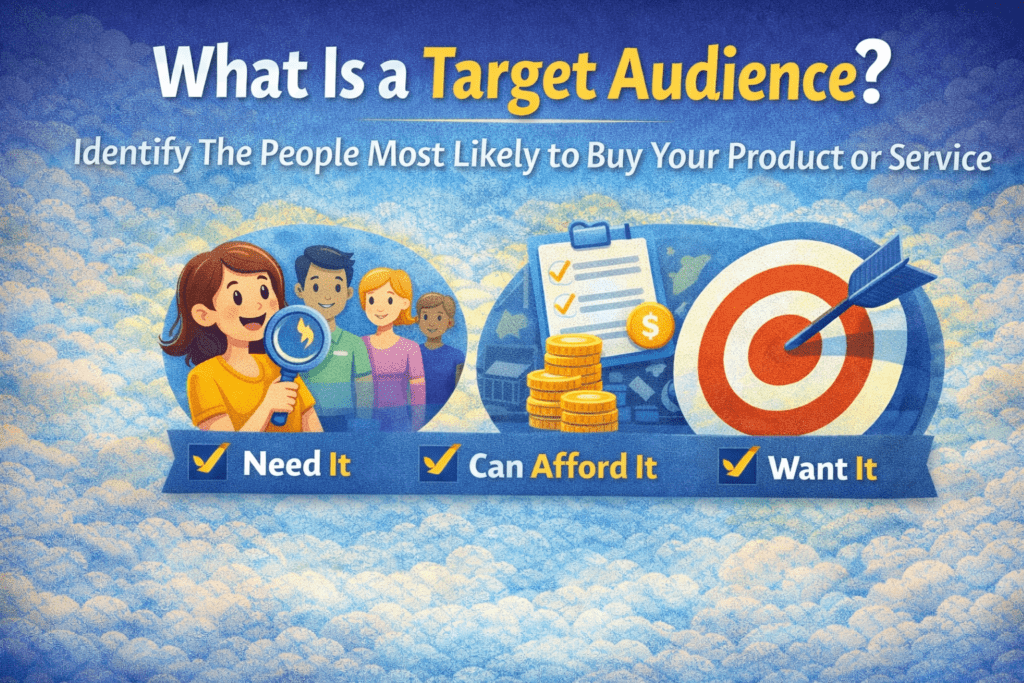
Your target audience is the specific group of people most likely to buy your product or service. These are the people who:
Need what you offer
Can afford it
Actually want it
Think of your target audience as the VIP section of your marketing efforts.
Target Market vs Target Audience (Quick Clarity)
Target Market: A broad group of potential buyers
Target Audience: A focused segment you speak to with specific campaigns
Ideal Client Avatar (ICA): A detailed profile of your perfect customer
At GenNex Marketers, we like to say Market wide, message narrow.
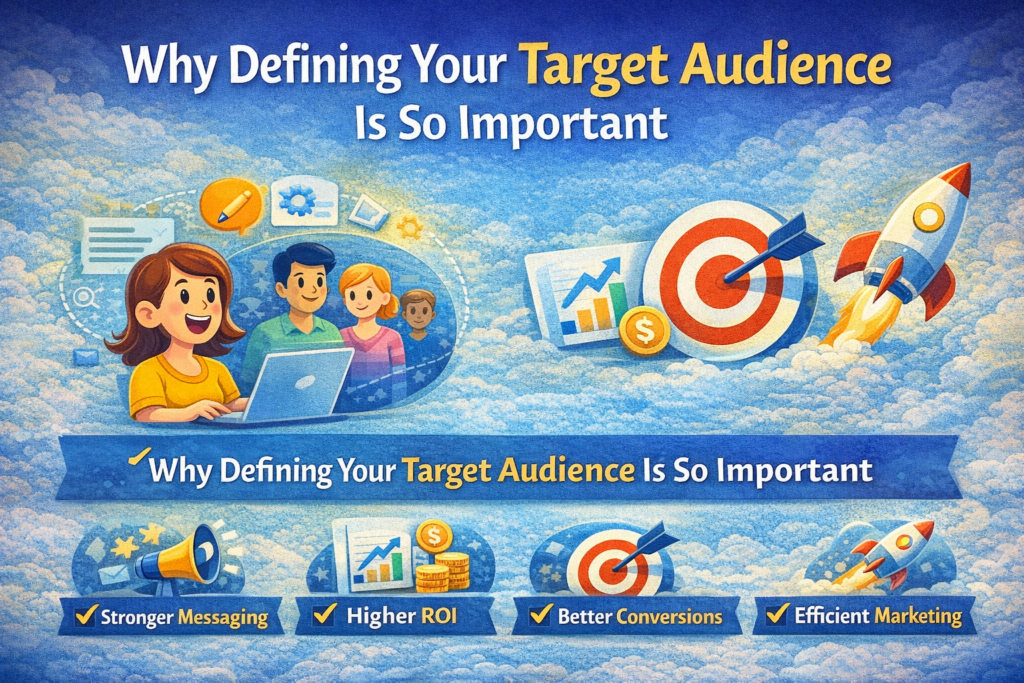
Why Defining Your Target Audience Is So Important
Here’s the hard truth:
Great design + random messaging = poor results.
When you clearly understand your target audience, you can:
Write ads that feel personal (not pushy)
Choose the right platforms (instead of being everywhere)
Save money by avoiding wasted ad spend
Increase conversions without increasing effort
In short, knowing your audience helps your marketing work smarter, not louder.
How to Define Your Target Audience (The Right Way)
1. Look Beyond Demographics
Age, gender, income, and location are useful—but they’re just the surface.
To really connect, you also need psychographics, such as:
Values and beliefs
Lifestyle and habits
Motivations and fears
Goals and frustrations
People don’t buy based on age alone. They buy based on emotions, needs, and timing.
2. Talk to Real People (Yes, Actually Talk)
The fastest way to understand your audience is to ask them.
You can:
Send short surveys
Conduct quick interviews
Ask questions on social media
Talk to existing customers
Pro tip: Your customers will often tell you exactly what to say in your ads—if you listen closely.
3. Identify the Problems You Solve Best
Your audience isn’t looking for features. They’re looking for solutions.
Ask yourself:
What problem does my audience struggle with daily?
Why am I better at solving it than others?
What outcome do they truly want?
If your marketing talks about results instead of buzzwords, you’re already ahead.
4. Spy on Your Competitors (Ethically, Of Course)
Your competitors’ websites, blogs, ads, and FAQs are a goldmine of audience insights.
Look for:
Common questions
Repeated pain points
Popular offers
Content topics that get attention
If multiple competitors address the same issue, chances are your audience cares deeply about it.
5. Know Who Is NOT Your Audience
This part is underrated—and extremely powerful.
Trying to sell to everyone usually leads to:
Low-quality leads
Difficult clients
Burnout
Not everyone is a good fit, and that’s okay. Clear boundaries attract better customers and protect your time.
Extra Ways to Research Your Audience
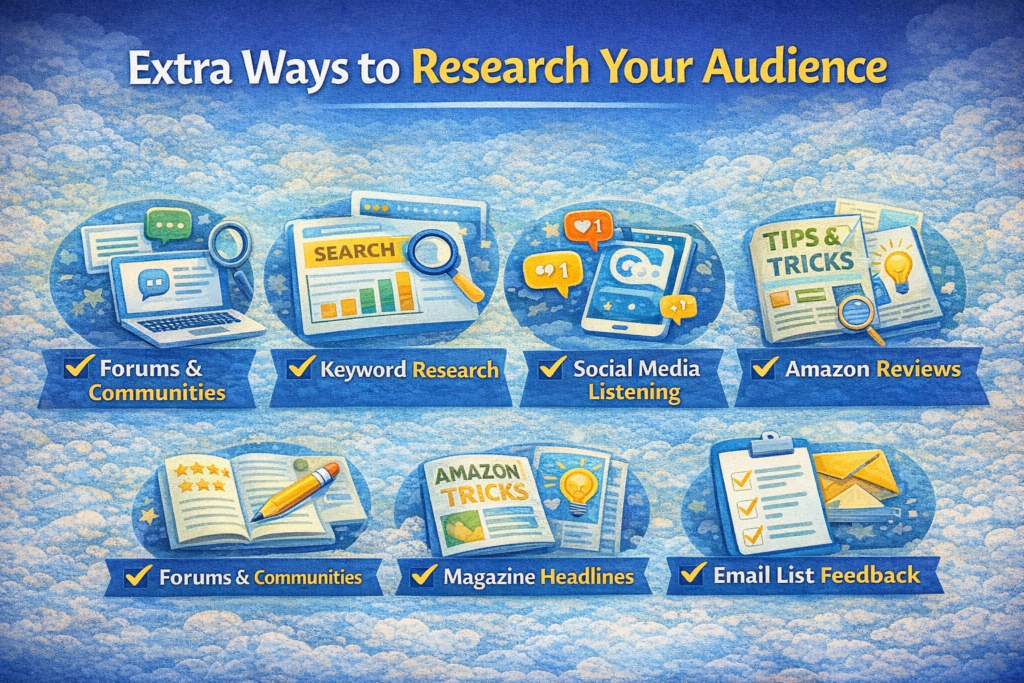
If you want to go deeper (and you should), try these:
Forums & communities: Real problems, real language
Keyword research: What people actively search for
Social media listening: What they complain about publicly
Amazon reviews: Honest opinions with zero filters
Magazine headlines: Topics that consistently grab attention
These insights help you speak your audience’s language—not marketing jargon.
You’ve Defined Your Target Audience. Now What?
Now comes the fun part—using the data.
Apply your audience insights to:
Blog content
Website copy
Ads and creatives
Landing pages
Email sequences
Entire marketing funnels (TOFU, MOFU, BOFU)
When your messaging aligns with your audience’s mindset, marketing stops feeling forced and starts feeling natural.
By- GenNex Marketers